A rtificial intelligence is reshaping the business landscape, and new terms like AIO, AEO, GEO, and GAO are gaining traction among organizations aiming to leverage AI for meaningful results.
Each concept addresses a different facet of optimization, but when thoughtfully integrated, they form a powerful toolkit for driving business growth, enhancing customer engagement, and staying ahead in a competitive market.
Let’s break down how these four strategies work together to help businesses fully realize the value of AI investments.
Understanding the Four Building Blocks
For businesses looking to harness AI, it’s essential to understand how each of these pillars supports practical goals:
- AIO (Artificial Intelligence Optimization): AIO focuses on making your AI systems operate more efficiently, faster, and with greater accuracy. This might mean refining an AI-powered personalization engine so it delivers recommendations instantly, or reducing server costs by optimizing model performance. For any business relying on AI—whether for analytics, automation, or direct customer interaction—AIO ensures the technology foundation is robust and reliable.
- AEO (Answer Engine Optimization): With consumers increasingly searching for direct answers—through search engines or voice assistants—a business’s content needs to be structured to provide those answers quickly and clearly. AEO techniques ensure your website’s information surfaces as a trusted solution in response to customer queries, improving visibility and reducing friction in the buyer’s journey.
- GEO (Generative Engine Optimization): As generative AI tools become central to information discovery, GEO involves preparing your business’s digital assets to be recognized and used by these advanced engines. By optimizing content, data, and brand signals, you enable generative AI systems to accurately represent your expertise when generating content for users or business customers.
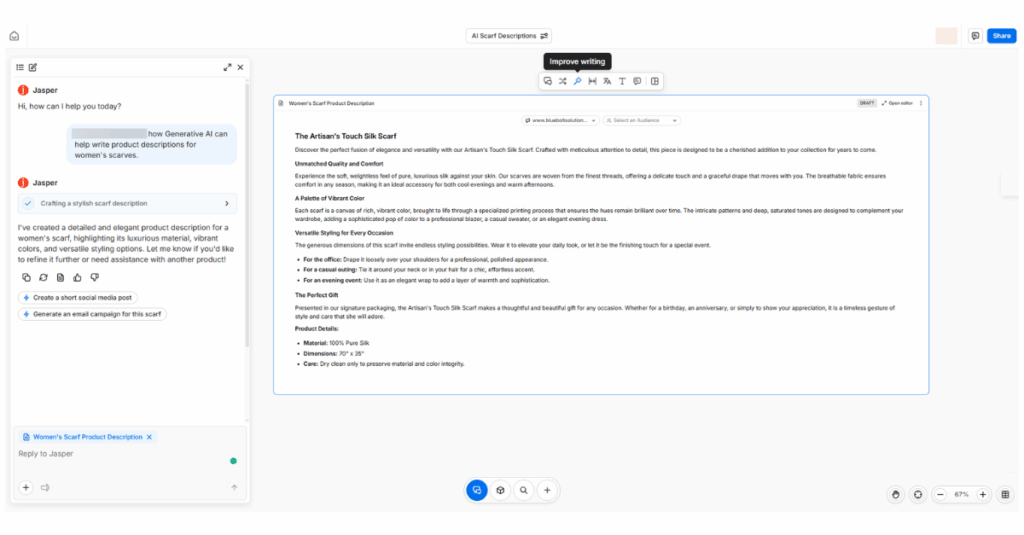
- GAO (Generative AI Optimization): GAO takes optimization beyond content and search by systematically adopting generative AI to improve products, services, and operations. This could involve using generative AI to streamline support, personalize marketing at scale, or develop entirely new digital offerings, all within a scalable, ethical framework.

How These Strategies Create Business Value
While each pillar has its strength, the real transformation comes from a unified approach. Let’s see how they work together in practice:
1. Building a High-Performance AI Foundation with AIO
Every AI-driven business starts with robust infrastructure. AIO ensures your AI models—whether powering search, recommendations, or business analytics—deliver results efficiently. With optimized AI, you can scale operations, reduce response times, and limit infrastructure expenses. For example, an e-commerce company can process shopper behavior data in real time, delivering instant, relevant recommendations to boost engagement and sales.
2. Making Your Business Discoverable with GEO
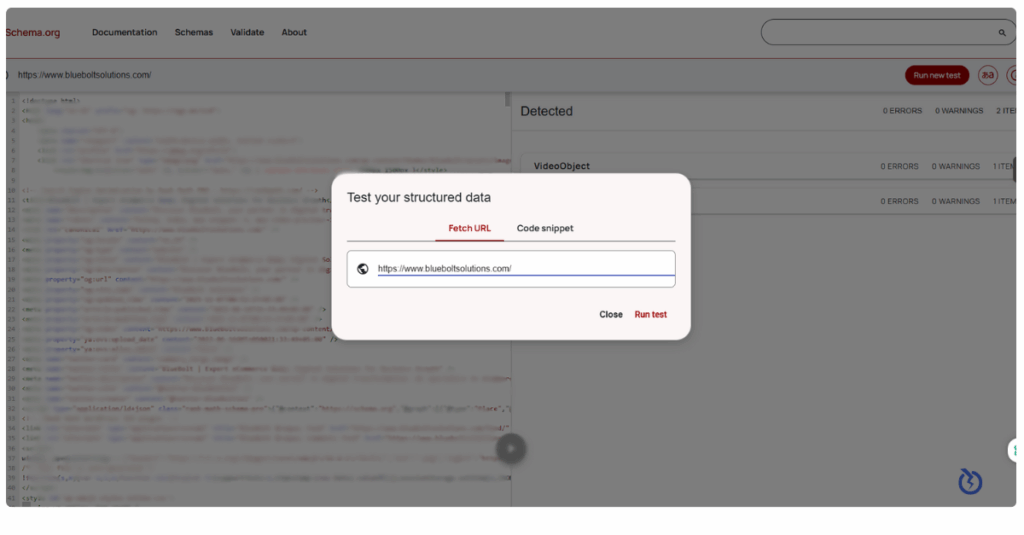
Once your AI foundation is strong, GEO prepares your business to be found and cited by generative AI engines. Optimizing structured data, publishing in-depth resources, and maintaining up-to-date brand information all help ensure that when AI applications generate summaries or answers, your business is included as a reliable expert. This increases your brand’s reach, influences buying decisions, and builds authority with both humans and AI-driven platforms.
3. Becoming the Go-To Source with AEO
Modern customers expect clear, authoritative answers at their fingertips. AEO streamlines your website and content so that when existing or prospective customers have questions, your business provides the solutions directly in featured snippets, FAQs, and voice search responses. This not only attracts more qualified leads but also shortens the path from search to action, driving conversions and customer satisfaction.
4. Turning Capability into Impact with GAO
With a solid AI infrastructure, discoverable expertise, and optimized answers, GAO empowers your business to activate these assets throughout your operation. By embedding generative AI into customer service, marketing automation, or product development, you can personalize interactions, generate tailored proposals, or design new workflows—creating measurable business impact and allowing your organization to adapt rapidly to changing market conditions.
A Practical Example: Unified AI Optimization in Action
Consider a SaaS company adopting a comprehensive AI strategy:
- AIO optimizes its recommendation engine and chatbots, enhancing speed and relevance while controlling computational costs.
- GEO ensures that detailed product guides and success stories are recognized by generative AI tools, making the company’s expertise visible in synthesized industry insights.
- AEO structures onboarding resources, knowledge bases, and service pages for maximum visibility in search and direct answers. Customers find helpful content easily, improving satisfaction and reducing support tickets.
- GAO integrates generative AI models to generate custom implementation strategies and support documentation for each client, based on their specific configurations.
The result? Better customer acquisition through increased visibility, greater retention due to responsive support, streamlined internal operations, and scalable marketing and product innovation—all built on a shared, optimized AI backbone.
The Competitive Edge: Why Integration Matters
Businesses that embrace AIO, AEO, GEO, and GAO as a holistic framework experience several key benefits:
- Faster, Data-Driven Decision Making: Optimized AI supports real-time analytics and actionable insights.
- Higher Customer Engagement: Discoverability and direct answers meet users’ needs where and when they search.
- Operational Efficiency: Generative AI unlocks automation and creativity at scale, reducing manual effort.
- Future-Proof Digital Presence: Being recognized as a trusted authority by both users and AI platforms secures your place in tomorrow’s business landscape.
Taking the Next Step
Adopting this unified strategy doesn’t require an overhaul of your existing operations. Start by evaluating existing AI systems and content for optimization opportunities. Structure your digital assets to answer core customer questions, and focus on becoming a source of knowledge in your industry. Invest incrementally in generative AI capabilities and look for high-impact workflows to transform with GAO.
As businesses accelerate their adoption of AI, those who connect the dots between AIO, AEO, GEO, and GAO will be best positioned to lead. By viewing these four strategies not as isolated buzzwords, but as interconnected pillars supporting practical goals, your organization can drive sustainable growth, foster lasting customer relationships, and thrive in an AI-powered world.